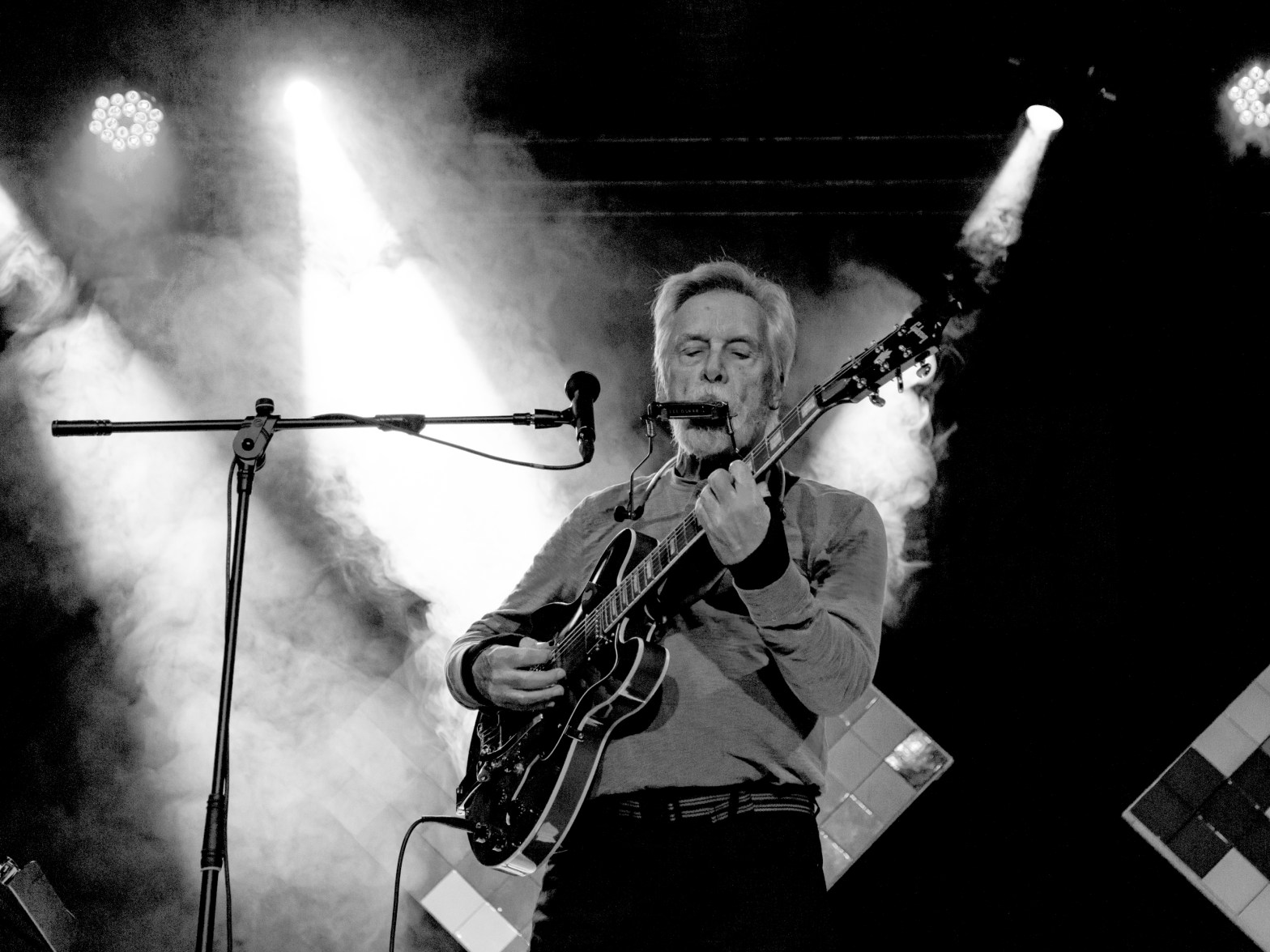
I would like to introduce David Bixby from Flagstaff Arizona, USA. Dave is an old hippie from the sixties. Here is his story.
Kie, these are great questions, and I will answer them directly to my friends in Finland.
In 1968, you became involved in the counterculture movement, embracing a hippie lifestyle, how did that start, where did it start?
In 1968, the Vietnam war was raging, and we were drafted against our will to fight a war and die. This war made no sense. Smoking pot and dropping acid made me feel like a rebel with a cause protesting against an unconstitutional war. I had no idea we were a counterculture! We were undisciplined and wild. If the government could break the rules, so could we, and we did. By the 70s, we were burned out and many turned to Jesus for some sanity. We even looked like Jesus in blue jeans, long hair, beards and sandals.
In the late 1960’s, what were you listening to musically?
I listened to Bob Dylan, the Moody Blues and of course the Beatles.
Your life has taken you through so many different paths since the late ’60s: music scenes, travels, new communities, and constantly reinventing your surroundings. How did those changing environments influence your creative spirit over the years?
I was searching for something and was not afraid to leave my comfort zone. The USA is vast from sea to shining sea. Every region has its own accents and ways of talking, destroying the English language. Composing songs was a way to capture and document the times and the state I was in. I lived in a van with a guitar and PA system. I played in local bars and restaurants on the beach.
Recently, I was interviewed in Germany just before a concert, a question was asked of me, did I ever think I would perform these songs in Europe after fifty years? Absolutely not. It’s humbling and a little spooky to be doing so.
How do you feel about the recent resurgence that people are finding your music?
The fact that this music has made a comeback is a phenomenon. My audience is the age I was when I composed these songs. They’re about soul searching and rites of passage.
When you look back at the underground folk and counterculture scene of the late ’60s, what do you feel was the spark that made that era so unique and creatively alive?
The underground music of the sixties was about breaking out of the norm. It was a sense of freedom with no responsibility and that’s why it did not work out!
Later, I performed concerts in high schools, colleges and churches. I developed a set list of songs with the theme weaving from one song to another. People encouraged me to make a record, so I did. The order of songs on the record was the same as the concerts.
‘Ode to Quetzalcoatl’ was recorded in a living room and originally pressed in a very small run. Can you share what that recording process was like, and how it felt to bring those songs to life in such an intimate setting?
It was lonely in the home studio. I had to pretend the microphone and tape recorder was an audience. Echo on reel to reel was a new thing on tape recorders. It was perfect for the vibe of the record.
Looking back at the underground music and counterculture of the late ’60s, what do you think the spirit of that era can teach listeners and musicians today?
My takeaway from the spirit of the sixties was real freedom is a balance of liberty and accountability. That doesn’t sound very fun but it’s true.
By Kie Lindfors
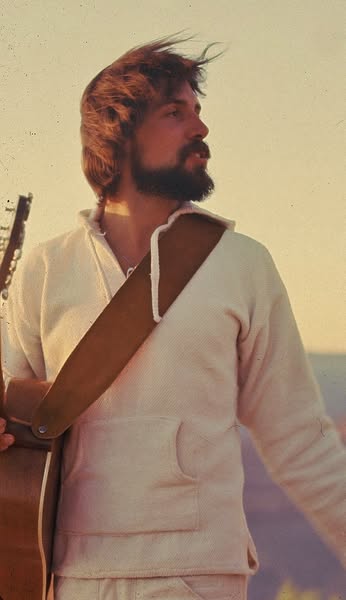
 Dave Bixby